
Power & Grace: Why Female Leaders Love Silk Scarves
Shop the Looks in This Guide
Quick product picks inspired by this article.
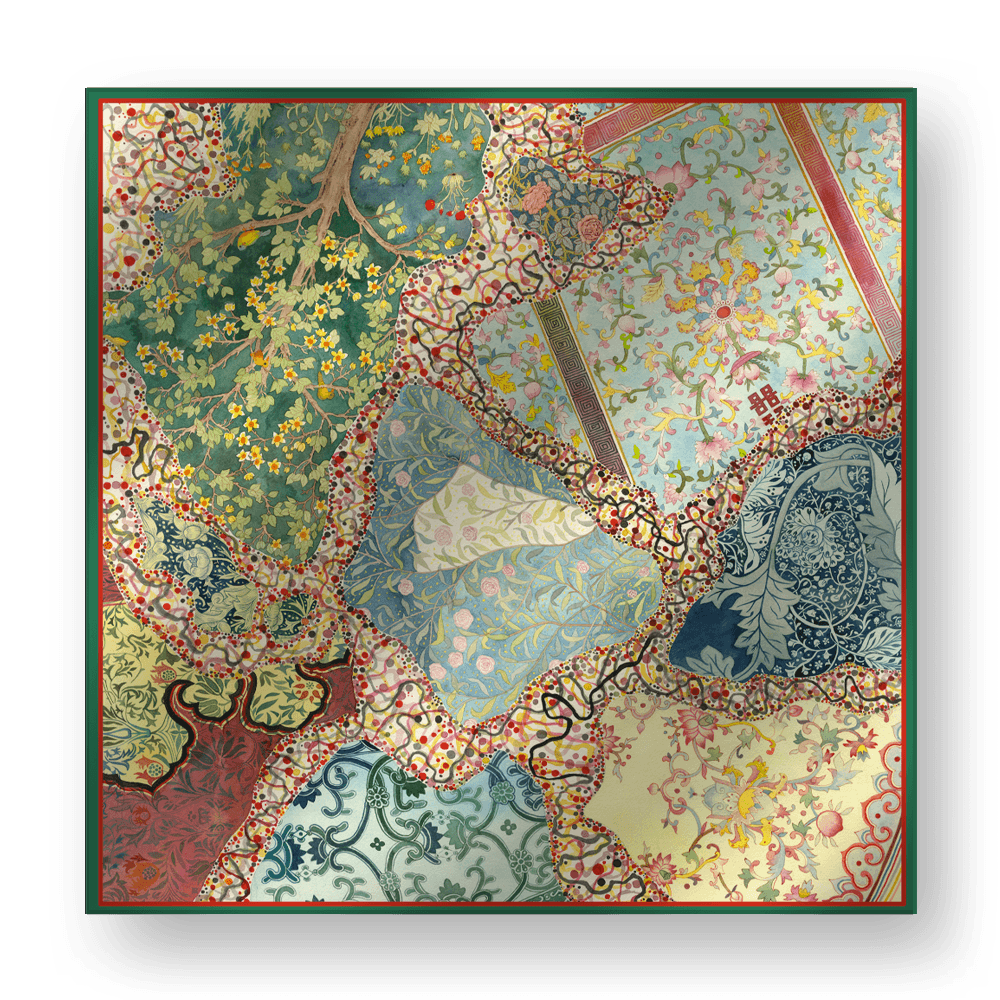
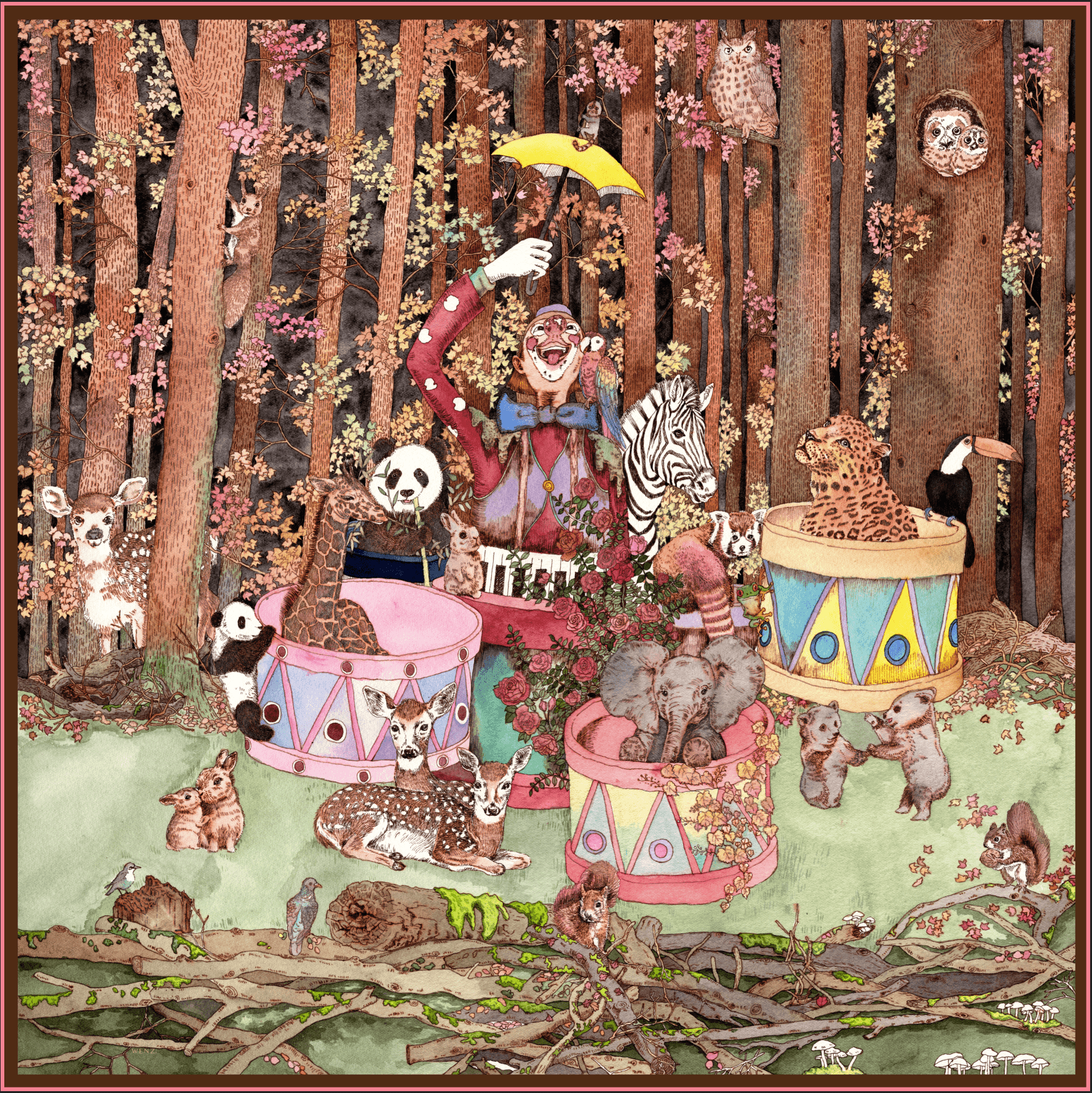
In the polished worlds of politics and business, where suits are tailored and every word is weighed, the silk scarf has quietly risen to become a signature accessory for powerful women. It's not loud, but it's unmistakable. It adds warmth without softness, identity without rebellion.
From Hillary Clinton to Christine Lagarde, from Dr. Deborah Birx to Queen Elizabeth II, the scarf is more than just fabric—it's legacy.
1. A Silent Power Symbol
In environments where women constantly navigate expectations—commanding, but not cold; elegant, but not ornamental—a silk scarf offers the perfect middle ground.
Take Nancy Pelosi, former Speaker of the U.S. House of Representatives. Her iconic yellow scarf became such a fashion fixture that it earned its own nickname: "The Pelosi." It wasn't just stylish—it was a statement.
2. Versatility for Women on the Move
From televised addresses to diplomatic dinners, scarves adapt effortlessly—transforming from a neck wrap to a head covering, from a pop of color to a statement of intent.
3. Personal Branding in a Professional World
Where men often default to navy and gray, scarves give women in leadership a way to express individuality.
Christine Lagarde, president of the European Central Bank, is rarely seen without an Hermès scarf. Her choice of colors and patterns is precise, reflecting confidence and refined power.
💡 Final Thought
In a world that still scrutinizes every female leader's appearance, the silk scarf stands as quiet defiance. It is not armor, but art. Not distraction, but direction.
From Queen to cabinet minister, executive to artist—women wear scarves not just to adorn, but to define. One fold at a time.
Shop Related Scarves
Quick picks matched to this guide, so you can apply these styling ideas right away.
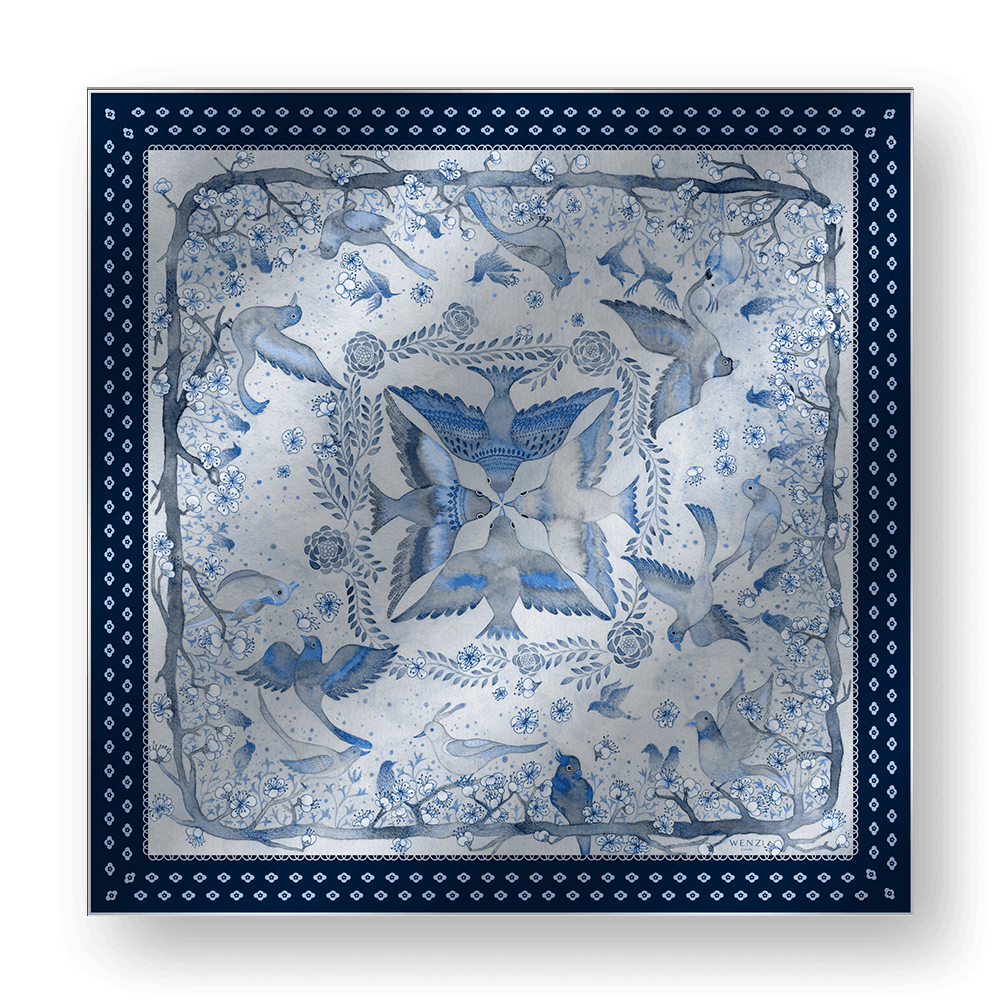
BLOSSOM BIRDS - Double-Sided Hand-Painted Silk Scarf | 100% Mulberry Silk Head Wrap
Square Silk Scarf

CARNIVAL WONDERLAND A - Double-Sided Hand-Painted Silk Scarf | 100% Mulberry Silk Head Wrap
Square Silk Scarf
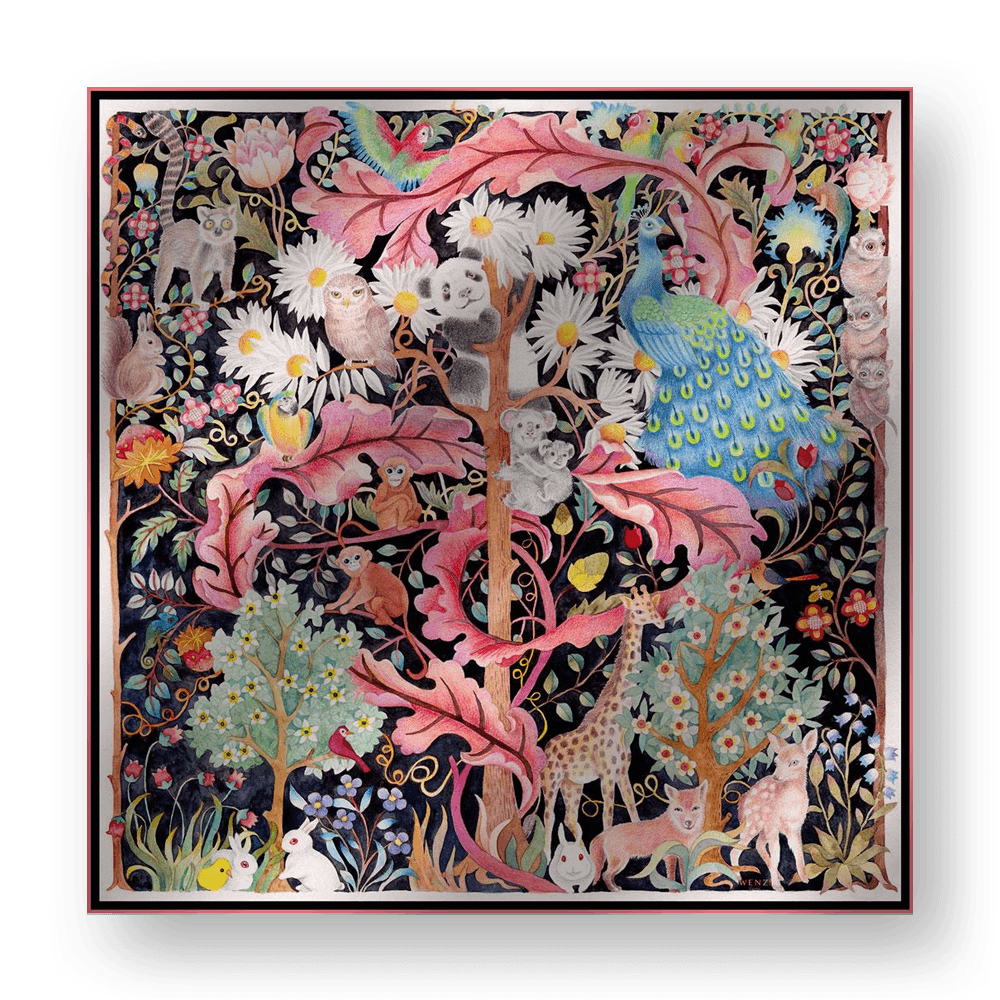
Zoo - Double-Sided Hand-Painted Square Silk Scarf | 100% Mulberry Silk Head Wrap
Square Silk Scarf
Ready to find your perfect silk scarf?
Explore hand-painted mulberry silk scarves designed as wearable art—gift-ready and timeless.